


Promoviendo y estimulando la educación, formación y capacitación en la sociedad.
La fundación Cooperación y Cultura – Profesor Luis Ravera, fue creada el 17 de marzo de 1983, por el Lic. Amilcar Renna
Novedades
A Guide to Playing Online Pokies Australia Real Money Securely
A Guide to Playing Online Pokies Australia Real Money Securely https://fundacionravera.com/wp-content/themes/movedo/images/empty/thumbnail.jpg 150 150 Fundación Ravera //fundacionravera.com/wp-content/uploads/2024/12/logo-fundacion-ravera2.pngExploring the Thrills of Playing at a Real Money Casino
Exploring the Thrills of Playing at a Real Money Casino https://fundacionravera.com/wp-content/themes/movedo/images/empty/thumbnail.jpg 150 150 Fundación Ravera //fundacionravera.com/wp-content/uploads/2024/12/logo-fundacion-ravera2.png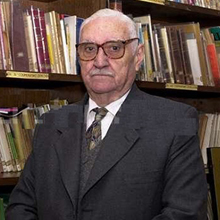
Fundador Licenciado Amilcar Damian Renna
La fundación “Cooperación Cultura” – Profesor Luis Ravera, fue creada el 17 de marzo de 1983, por el Lic. Amilcar Renna. Licenciado en Cooperativismo, graduado en la universidad Católica De Santa Fé en 1974.
Convenios













Somos una entidad de bien común, desprovista de todo fin de lucro o utilitario, con el objetivo fundamental de “promover, realizar y estimular la educación y la capacitación, así como también la formación de verdaderos dirigentes sociales, de alta capacitación técnica, moral y social.
Somos una entidad de bien común, desprovista de todo fin de lucro o utilitario, con el objetivo fundamental de “promover, realizar y estimular la educación y la capacitación, así como también la formación de verdaderos dirigentes sociales, de alta capacitación técnica, moral y social.
Becas

Curso Superior de Dolor Multimodal
Curso Superior de Dolor Multimodal https://fundacionravera.com/wp-content/uploads/2025/01/WhatsApp-Image-2025-01-01-at-14.29.12.jpeg 1600 1600 Fundación Ravera //fundacionravera.com/wp-content/uploads/2024/12/logo-fundacion-ravera2.png
Media beca Curso Superior de Diabetes
Media beca Curso Superior de Diabetes https://fundacionravera.com/wp-content/uploads/2025/01/Media-beca-de-actualizacion-en-curso-de-diabetes_rosana-1.jpg 1080 1080 Fundación Ravera //fundacionravera.com/wp-content/uploads/2024/12/logo-fundacion-ravera2.png
Media beca Curso superior de Medicina General
Media beca Curso superior de Medicina General https://fundacionravera.com/wp-content/uploads/2025/01/media-beca-medicina-general_rosana-1.jpg 1080 1080 Fundación Ravera //fundacionravera.com/wp-content/uploads/2024/12/logo-fundacion-ravera2.png
Media beca curso manejo del paciente vegetariano vegano
Media beca curso manejo del paciente vegetariano vegano https://fundacionravera.com/wp-content/uploads/2025/01/media-beca-vegetariano-vegano-4.jpg 1080 1080 Fundación Ravera //fundacionravera.com/wp-content/uploads/2024/12/logo-fundacion-ravera2.png